Realistic Coffee Stain Clipart for Timeless Design Projects
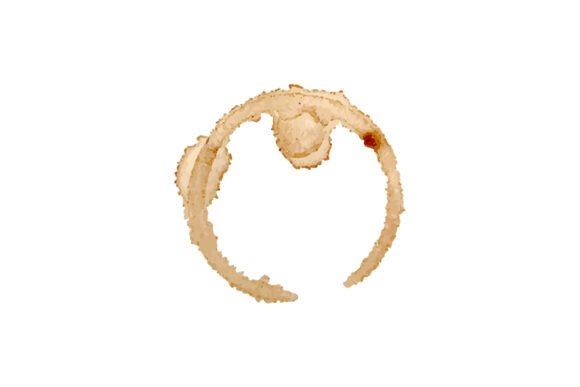
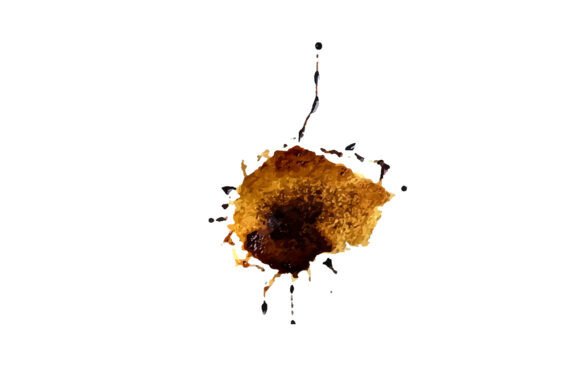
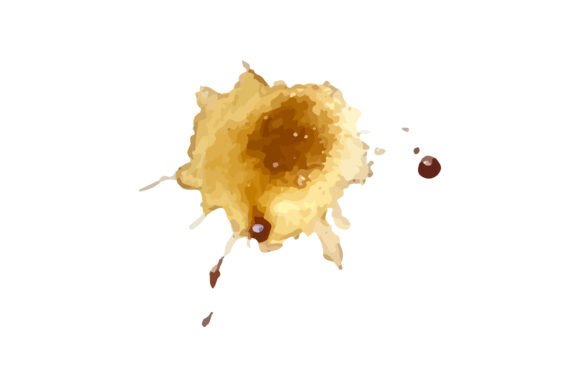
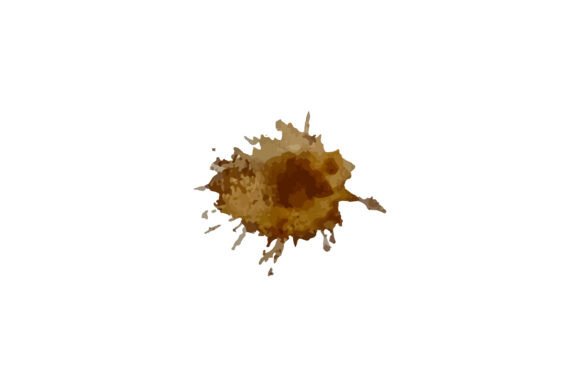
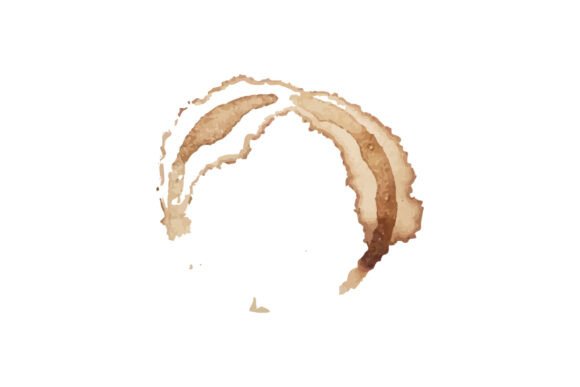
Designers and creatives often seek visual elements that add depth, authenticity, and character to their work. Realistic Coffee Stain Clipart offers a tactile, organic texture that mimics the subtle imperfections of real-world stains. Unlike generic textures or digital overlays, this clipart captures the nuanced look of coffee spills—uneven edges, soft gradients, and natural discoloration. The result is a design element that feels grounded, expressive, and subtly nostalgic.
Visually, the clipart maintains a warm, earthy tone palette ranging from deep mahogany to soft beige. These variations allow for subtle layering and depth in compositions without overwhelming the layout. The high-resolution PNG format ensures crisp edges and seamless integration into both light and dark backgrounds, while the EPS vector format provides scalability for large-format prints or intricate illustrations. Whether used as a background texture, a decorative accent, or a thematic overlay, the stain effect adds a touch of realism that elevates the overall design.
Where Realistic Coffee Stain Clipart Shines
This type of design asset is especially effective in projects that benefit from a vintage, artisanal, or handcrafted aesthetic. Branding materials for independent coffee shops, boutique cafes, and lifestyle brands often incorporate these stains to evoke warmth and authenticity. Invitations, greeting cards, and stationery also benefit from the organic texture, making digital designs feel more tactile and personal.
In editorial and packaging design, the stain clipart works well as a background element or as part of a layered composition. It complements both minimalist and rustic layouts, adding visual interest without competing with typography or illustrations. Web designers and social media creators can integrate the clipart into promotional banners, blog graphics, or themed landing pages to enhance the mood and reinforce brand storytelling.
Print designers will appreciate the versatility of the JPG and EPS formats, which maintain quality at any scale. From business cards to large posters, the stain texture can be subtly incorporated to suggest craftsmanship and attention to detail. Digital artists and illustrators may also use the clipart as a base for mixed-media compositions, blending scanned textures or hand-drawn elements over the stain for a more complex aesthetic.
Enhancing Visual Hierarchy and Brand Perception
While typography and layout structure often dominate discussions around visual hierarchy, background textures like coffee stains play a subtle but meaningful role. They create tonal contrast, guide the eye, and add warmth to otherwise flat compositions. When used thoughtfully, a stain texture can make a design feel more intentional and less digital—qualities that resonate with audiences seeking authenticity.
From a branding perspective, the use of organic textures like coffee stains can influence brand perception by reinforcing a brand’s personality. For instance, a brand that values craftsmanship, sustainability, or nostalgia may use these textures to align its visual identity with those values. Over time, consistent use of such design elements contributes to brand recognition and emotional connection with the audience.
Professionals working on client-facing projects should consider how the stain effect supports readability and visual flow. While it works beautifully as a background, it should never overpower text or key messaging. Designers can adjust opacity, layer blending modes, or apply selective masking to ensure legibility while preserving the artistic appeal of the texture.
Choosing and Applying Coffee Stain Clipart
Selecting the right clipart involves more than just aesthetics—it requires practical evaluation of format, scale, and licensing. Realistic Coffee Stain Clipart typically comes in PNG, JPG, and EPS formats, each serving a specific purpose. PNG files with transparent backgrounds are ideal for overlaying on digital designs without harsh edges. JPG files provide high-resolution options for print, while EPS files allow for scalable vector editing in Adobe Illustrator or similar software.
When integrating the clipart into a design, consider the overall mood and color scheme. A dark, rich stain may work well in a vintage-themed poster or editorial layout, while a lighter stain can add warmth to a minimalist wedding invitation. Designers should test the clipart in multiple contexts—on different background colors, at various opacities, and in combination with other textures or design elements—to ensure it enhances rather than distracts.
For branding and commercial use, always verify the licensing terms of the clipart. Many premium design assets include commercial licenses that allow for use in client projects, printed merchandise, and digital marketing materials. However, it’s important to review the specific usage rights to avoid legal complications, especially when distributing the design across multiple platforms or formats.
Practical Tips for Integrating Coffee Stain Textures
Designers should approach texture integration with intention. Start by placing the stain as a background layer and adjust the blending mode to something like Multiply or Overlay to allow the texture to interact naturally with underlying elements. For web and UI design, consider using the stain as a subtle overlay on hero images or background sections to add depth without compromising usability.
Pairing the stain texture with complementary design assets enhances its impact. Combining it with vintage illustrations, hand-drawn icons, or distressed typography creates a cohesive visual language. For modern designs, use the stain sparingly—perhaps as a subtle accent behind a logo or as a textured divider in a layout. This approach keeps the design fresh while still benefiting from the warmth and character the clipart provides.
Testing readability is crucial when applying textures to text-heavy designs. If using the stain behind body copy, ensure there's enough contrast between the text and the background. Consider placing a semi-transparent color overlay beneath the text to maintain legibility while preserving the organic feel of the texture. In editorial design, the stain can serve as a full-page background for pull quotes or sidebars, adding visual rhythm without disrupting the main content flow.
Final Thoughts on Realistic Coffee Stain Clipart
Realistic Coffee Stain Clipart is more than a decorative element—it’s a design tool that bridges the gap between digital precision and organic imperfection. Whether used in branding, packaging, editorial, or digital design, it brings a tactile quality that resonates with audiences on an emotional level. Its versatility across formats and applications makes it a valuable addition to any designer’s toolkit, especially those working on vintage-inspired, artisanal, or lifestyle-oriented projects.
By understanding how to integrate and adapt the stain texture thoughtfully, designers can elevate their work from polished to truly expressive. The key is to treat it as a supporting element rather than a focal point—something that enhances the narrative and visual tone without overpowering it. When applied with intention, Realistic Coffee Stain Clipart becomes a subtle yet powerful part of a cohesive, memorable design.